

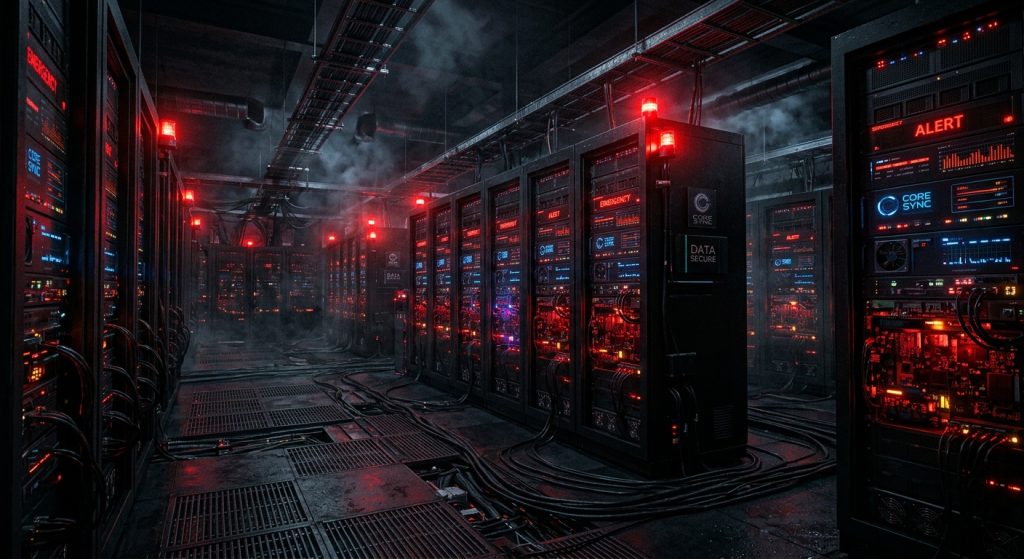
A series of catastrophic, high-profile digital infrastructure failures across the globe has exposed the extreme vulnerability of our modern interconnected society. Over the past several weeks, consecutive software glitches and cloud network crashes have completely paralyzed essential public services. These outages halted thousands of commercial flights, locked out millions of corporate email servers, and temporarily frozen everyday digital banking transactions for ordinary citizens. Beyond the immediate multi-billion-dollar economic losses incurred by corporations, the systemic fragility of these tech platforms has triggered a massive psychological shift among regular consumers.
This widespread digital anxiety has suddenly given rise to an unprecedented surge in consumer spending toward what analysts are calling the &#৮২২০;doomsday prep economy.&#৮২২১; For years, emergency preparedness was considered a fringe subculture, but the threat of a total digital blackout has pushed it squarely into the mainstream consumer market. Retailers are reporting a massive spike in sales for offline, analog alternative tools. High-demand items include solar-powered satellite communicators, physical ledger books for financial tracking, heavy-duty portable generators, and long-term emergency food supplies.
Technology experts and cybersecurity analysts note that this panic is not entirely unfounded. As artificial intelligence becomes deeply integrated into automated critical infrastructure, the potential damage from a sophisticated cyberattack or a simple software misconfiguration multiplies exponentially. Regular citizens are realizing that a single point of failure in a cloud server can instantly cut off access to food, water, and money. This realization is driving people to aggressively diversify their personal risks. Tech industry watchdogs emphasize that unless tech conglomerates build more decentralized networks, the public&#৮২১৭;s trust in the stability of the global energy and digital grid will continue to erode, driving even more capital into the survivalist market.