

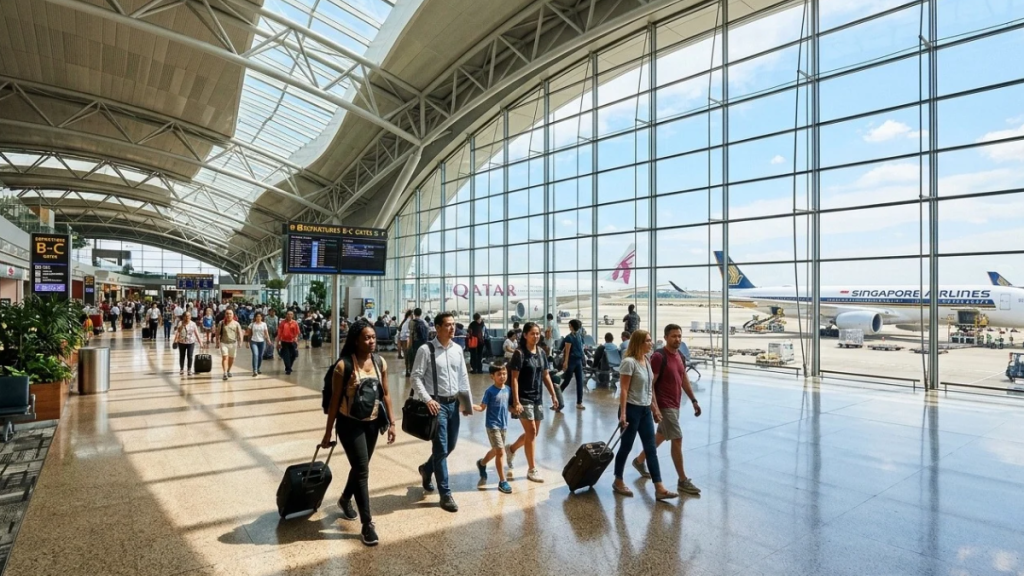
The global travel and tourism sector has completely shattered post-pandemic expectations, mounting an extraordinary comeback that is defying widespread financial headwinds. According to the highly anticipated annual industry report released jointly by the World Travel Market (WTM) and Tourism Economics, international tourist arrivals are officially on track to reach an all-time historic record of ১.৫৭ billion by the end of the year.
This staggering figure marks a full recovery and significant expansion of global tourism, highlighting an insatiable consumer appetite for experiential travel that persists despite severe macroeconomic obstacles.
What makes this record-breaking surge particularly surprising to financial analysts is that it is occurring during a period of intense global inflation. Travelers are currently facing sky-high commercial airfares, sharply elevated hotel accommodation costs, and diminished personal purchasing power due to a global cost-of-living crunch. Additionally, ongoing regional conflicts have forced airlines to routinely alter flight paths, leading to longer transit times and localized disruptions. The data reveals that instead of canceling their vacation plans entirely, modern consumers have adapted by fundamentally altering their spending behaviors and travel patterns.

There is now a massive structural shift toward regional and value-driven tourism. Rather than embarking on expensive, multi-stop intercontinental journeys, travelers are intentionally prioritizing closer-to-home destinations where their domestic currency holds more value. Countries offering robust affordable hospitality options, rich cultural experiences, and budget-friendly infrastructure are seeing an unprecedented influx of visitors. Tourism boards are also noticing a major rise in &#৮২২০;slow travel,&#৮২২১; where vacationers stay in a single locality for longer periods to minimize transportation costs. Industry experts conclude that travel has transitioned from a luxury luxury to a non-negotiable priority for global citizens, forcing the aviation and hospitality sectors to rapidly innovate to accommodate this new wave of highly budget-conscious wanderlust.