
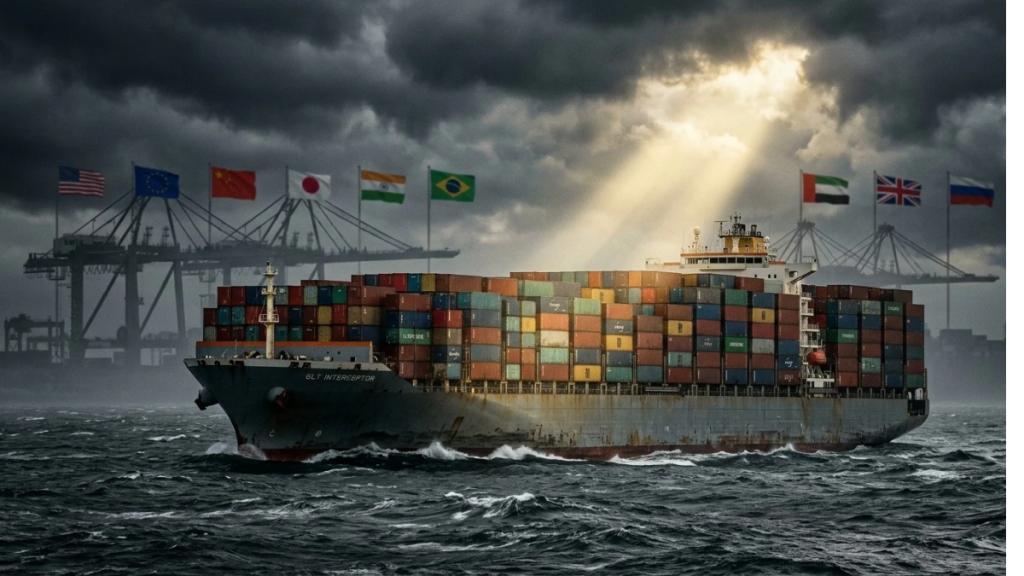
A major rift has emerged in the global economy as trading partners stand unified against a sudden shift in international commerce. Today, the world’s most powerful economies collectively rejected the justification for newly proposed US tariffs, triggering immediate concern over the future of free-market stability.
The friction reached a critical tipping point following a series of sweeping trade policy announcements from Washington. The United States administration defended the protective barriers by alleging that major manufacturing hubs are relying on cheap, artificially subsidized production chains that harm American industrial competitors. However, the European Union, Canada, and leading Asian trade networks rapidly condemned the strategy, arguing that the incoming tariffs lack legal merit and directly threaten the post-crisis economic recovery.
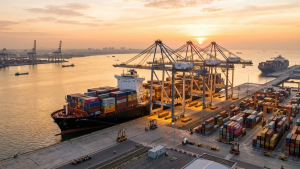
Compounding the global economic tension, parallel restrictions are directly fracturing key industrial sectors. United States export controls have forced high-tech companies like Nvidia to officially halt shipments of advanced artificial intelligence servers to major Southeast Asian markets, including Singapore and Malaysia. International maritime agencies warn that these escalating trade micro-wars and policy blockades are heavily damaging logistics confidence, with the United Nations forecasting a drop toward near-zero growth in total global maritime trade.

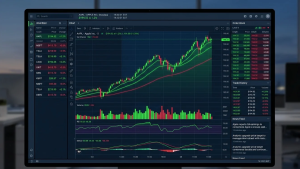
Financial markets have reacted with severe volatility. Investors are fleeing concentrated tech equities in favor of safe-haven commodities as the specter of a full-scale trade war looms over the final quarter of the year. With cross-border negotiations stalling, the international community faces an uphill battle to protect supply chain security before the restrictions take permanent effect.